
Eye & Face Injury Prevention
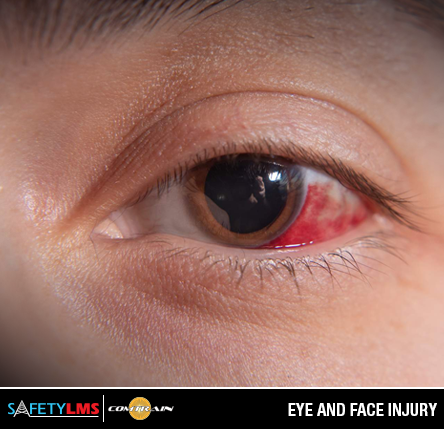
A split-second exposure to flying debris, chemical splashes, or intense optical radiation can cause permanent, life-altering vision loss. Eye and face injuries are among the most common workplace incidents, yet nearly all are entirely preventable with the right habits and gear. This course equips workers, supervisors, and safety leads with the critical knowledge to identify optical hazards, select the exact equipment required for the task, and maintain protective gear so it performs when it matters most.
By: Safety LMS | Format: Online | Duration: 1 hour | Certification: 24 Months | Language: EnglishWhat you'll learn
-
Hazard Recognition: Identify physical, chemical, thermal, and optical radiation hazards that threaten eyesight and facial tissue across varied work environments.
-
PPE Classifications & Ratings: Differentiate between standard safety glasses, indirect-vented goggles, full-face shields, and welding filters.
-
ANSI & OSHA Standards: Understand employer obligations and worker compliance standards under OSHA 1910.133 and ANSI/ISEA Z87.1.
-
Fit & Inspection Rigor: Inspect lenses and frames for scratches, micro-cracks, and strap degradation, and ensure a secure, gap-free seal.
-
Safe Work Practices & Maintenance: Master cleaning techniques, anti-fog solutions, and proper storage habits to extend equipment life and maintain optical clarity.
-
First Aid & Emergency Response: Take immediate, correct action during a foreign object penetration or chemical exposure without aggravating the injury.
Description
The human eye is one of the most fragile and irreplaceable organs in the body. In industrial, construction, and maintenance environments, hazards like flying metal chips, pressurized hydraulic fluids, corrosive liquids, and ultraviolet arc flashes are part of the daily landscape. Relying on everyday prescription glasses or generic sunglasses provides zero impact resistance and can actually shatter, worsening an injury. This course instills the operational discipline needed to protect your sight before setting foot in a work zone.
We begin by examining the primary threats to eyes and face: mechanical impact, liquid splashes, airborne dust, and radiant energy. You will explore the technical nuances of the ANSI/ISEA Z87.1 standard, learning how to verify that your gear is rated for high-velocity impacts and specific environmental hazards. The course provides clear guidance on choosing between direct-vented, indirect-vented, and sealed goggles when working around vapors, fine dusts, or liquid chemicals.
Beyond gear selection, the training emphasizes proper fit, daily care, and emergency protocols. You will learn why scratched lenses cause eye fatigue and reduce impact strength, how to accommodate prescription eyewear safely using Over-the-Glasses (OTG) models, and how to operate emergency eyewash equipment under pressure. By the end of this course, you will possess the hazard awareness and practical safety habits needed to safeguard your vision throughout your entire career.
Course topics
- Workplace Hazards and Eye Injuries
- OSHA Standards and Responsibilities
- Choosing the Right PPE & ANSI Z87.1
- Inspection, Care, and Maintenance
- Response & Reporting: What to Do When PPE Fails
- Capstone Case Study: A Day on the Job
-
The ANSI Z87.1 Markings Decoder: A visual reference guide to decoding lens and frame stamps, including high-impact ratings ("Z87+"), chemical splash protection ("D3"), and radiation shade scales.
-
Hazard-to-PPE Matcher: An interactive selection tool that maps specific tasks—such as angle grinding, chemical pouring, or brazing—to the mandatory primary and secondary protective equipment.
-
The Secondary Protection Lab: Visual demonstrations illustrating why face shields are never standalone protection and how deflected particles bypass unshielded perimeters.
-
Emergency Eyewash Action Guide: Step-by-step walkthrough on locating, activating, and executing an uninterrupted 15-minute flush at an eyewash station during a chemical splash.