
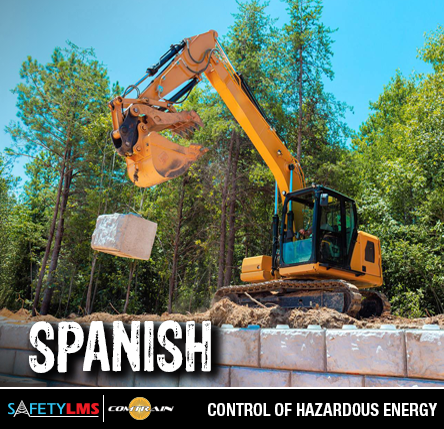
Control of Hazardous Energy for Construction (Spanish)
Unexpected machinery startups, sudden pressure releases, or energized electrical systems are among the most dangerous hazards on a construction site. This course provides workers, contractors, and site personnel with the essential knowledge needed to recognize, isolate, and control hazardous energy sources during servicing, maintenance, demolition, and troubleshooting activities. Moving beyond basic LOTO awareness, this training guides you through the full zero energy state lifecycle—from identifying stored mechanical, electrical, and hydraulic energy to verifying isolation and coordinating complex multi-trade group lockouts. Build the practical safety habits required to eliminate unexpected energy releases and keep every worker safe.
By: Safety LMS | Format: Online | Duration: 1.5 hours | Certification: 24 Months | Language: SpanishWhat you'll learn
By the end of this course, you will be able to:
-
Identify Hazardous Energy Types: Recognize direct electrical power and indirect stored energy in hydraulic lines, compressed air, counterweights, and thermal systems.
-
Understand LOTO Roles: Distinguish between the specific responsibilities of Authorized, Affected, and Other employees under site energy control programs.
-
Apply Isolation Devices: Correctly apply locks, tags, circuit breaker lockouts, valve covers, and cable devices to physical energy-isolating points.
-
Verify Zero Energy State: Perform physical testing, voltage checks, and pressure relief checks to confirm equipment is completely de-energized.
-
Manage Stored Potential Energy: Properly bleed hydraulic/pneumatic lines, discharge capacitors, block mechanical linkages, and drain lines.
-
Execute Safe Restoration: Follow strict step-by-step protocols for removing devices, clearing tools, notifying crews, and re-energizing systems safely.
Description
Whether you are performing routine equipment maintenance or working near heavy machinery undergo servicing, this course gives you the technical understanding, procedural discipline, and safety mindset needed to prevent hazardous energy accidents on the jobsite.
Course topics
- Hazardous Energy Awareness
- Types and Sources of Hazardous Energy
- When Energy Control Is Needed
- Roles and Responsibilities
- Energy Isolation Basics
- Lockout and Tagout Devices
- Stored Energy and Zero Energy State
- Verification Before Work Begins
- Communication, Coordination, and Group Work
- Stop Work, Emergencies, and Safe Work Practices
-
Energy Source Audit Checklist: Practical methods to identify electrical, mechanical, pneumatic, hydraulic, chemical, thermal, and stored potential energy.
-
Zero Energy State Verification: Step-by-step protocols for testing, bleeding, blocking, and verifying zero energy before starting work.
-
Group & Multi-Contractor Coordination: Best practices for managing complex lockout boxes and multi-trade safety alignment on shared jobsites.
-
LOTO Hardware Standards: Clear guidelines for using standardized locks, tags, haps, and lockout devices in harsh construction environments.
-
Stop Work Authority (SWA) Protocols: Clear procedures for halting operations when energy status is unclear, tags are missing, or isolation is compromised.