
Basic Rigging Principles on Communication Structures
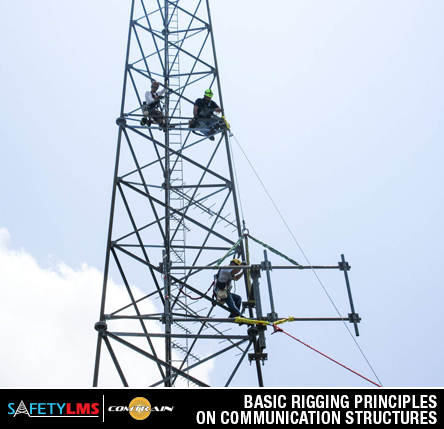
Hoisting heavy equipment hundreds of feet into the air requires far more than basic muscle—it demands technical precision, rigorous safety standards, and flawless execution. This introductory course prepares telecommunications technicians to safely handle materials on communications towers and structures. You’ll learn the universal language of the rigging trade, master key industry regulations, and discover how to systematically evaluate both your jobsite and gear before a single load leaves the ground. From gear selection to load control strategies, this course equips you to make confident, standards-based decisions that protect your crew, your equipment, and the structural integrity of the tower.
By: Safety LMS | Format: Online | Duration: 1 hour | Certification: 24 Months | Language: EnglishWhat you'll learn
-
Apply Industry Regulations: Navigate key OSHA mandates and ANSI/TIA industry standards that govern material handling on communications structures.
-
Conduct Pre-Lift Inspections: Identify wear, damage, and reject criteria for essential rigging hardware, slings, hoists, and ropes.
-
Select the Right Hardware: Match appropriate slings, shackles, blocks, and hoists to specific load weights and lifting configurations.
-
Manage Load Dynamics: Understand forces like friction, sling angles, and tag line tensions to keep loads fully controlled during ascension.
-
Protect Structural Integrity: Position rigging gear correctly to prevent putting unsafe vector forces on tower members or mounts.
-
Execute Standards-Based Lift Plans: Plan lifts systematically from ground preparation through final placement to minimize risk.
Description
"At 300 feet in the air, there is no room for guesswork. Safe rigging isn't just about moving a load—it's about making sure everyone on the crew comes back down safely."
Whether you are stepping onto a tower crew for the first time or looking to sharpen your technical material-handling skills, this course gives you the foundational knowledge needed to execute lifts safely, efficiently, and in full compliance with modern telecommunications standards.
Course topics
- Who's on the Job
- The Four Person-Roles
- Talk the Talk
- Regulations
- Consensus Standards
- Employer Policy
- Reading the Jobsite
- The Three Inspections
- Fit for Service?
- Sling Types
- Using Slings Safely
- Angles & Loading
- Inspecting Each Type
- Shackles
- Quick Rigging Connectors & Hooks
- Hoist Selection
- Rope Materials & Construction
- Terminations & Inspection
- The Five Designs & Choosing a Setup
- Plan Classes & Components
-
Gear Inspection Protocols: Pre-lift checklists for evaluating slings, shackles, hoists, blocks, and synthetic or wire ropes.
-
Standards Alignment: Guidance rooted in OSHA, ANSI/TIA-322, and ASSP A10.48 standards governing tower rigging operations.
-
Load Control Strategies: Practical methods for calculating weight distribution and controlling line angles to prevent structural overload.
-
Lift Plan Blueprint: Step-by-step breakdown of how to construct and execute a compliant, site-specific rigging plan.
-
Trade Terminology Guide: Essential vocabulary to ensure clear, standardized communication across the ground crew and tower hands.